
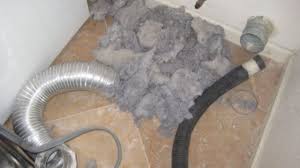
Dryer vent cleaning isn’t just a maintenance chore, it’s a critical step in preventing hidden fire risks inside your home. When lint builds up and airflow slows down, the dryer starts running hotter than it should, creating conditions where a simple load of laundry can turn dangerous. Understanding what happens inside a clogged vent is the first step to keeping your home safe.
Is a Clogged Dryer Vent Dangerous? Understanding the Dryer Vent Fire Hazard
A clogged dryer vent is one of the most dangerous hidden fire risks in a home and a leading cause of dryer vent fires. The danger isn’t just the lint itself, it’s the combination of heat, fuel, and restricted airflow. Lint is extremely flammable, and high heat alone can ignite it. When vents are blocked, dryers run hotter, temperature sensors overload, heating elements run longer, and components overheat. Airflow restriction traps heat in the duct, turning it into a “heat tunnel” packed with fuel, and metal ducts can warp while plastic ones can melt, accelerating ignition. This is why regular dryer vent cleaning is essential to reducing the dryer vent fire hazard.
It’s not the dryer that’s unsafe, it’s the conditions created by restricted airflow. A blocked vent transforms a normally safe appliance into a high-heat, high-pressure chamber that can’t expel heat or moisture properly. That trapped heat builds inside the ducts and the dryer’s internal components, surrounding wiring, sensors, and the heating element. Lint doesn’t just sit in the vent, it can get pulled into the dryer housing itself, where electrical components may spark or overheat. The real dryer vent fire hazard is the combination of rising temperatures, restricted airflow, and lint collecting where it shouldn’t, inside the dryer cabinet and the vent’s elbows, bends, and joints.
Early Signs of Dryer Vent Fires
You’ll usually see the signs before a fire ever occurs, if you know what to look for. Clothes taking longer than one cycle to dry is the biggest red flag, especially when the laundry room starts feeling warmer or more humid than normal. A burning, musty, or “hot fabric” smell often appears around the same time, along with weak airflow from the outside vent and a vent flap that barely opens. Catching these signals early is part of smart dryer maintenance that prevents dryer vent fires.
Lint buildup is another early warning. It can show up around the exterior vent hood, inside the dryer door gasket, or even along nearby baseboards and shelves if the duct has leaks. You may also notice the dryer itself feeling hotter than usual, on the door, the top panel, or even the surrounding area, because blocked airflow traps heat inside the machine. Regular dryer vent cleaning helps prevent lint from accumulating in these areas.
Blocked vents also create smaller but noticeable signals, like clothes that come out hot but still damp, dryer sheets that feel stiff or curled, or a lint trap that feels damp from moisture backup. A slightly metallic or hot electrical odor can appear as internal components overheat. As pressure builds inside the system, the dryer may vibrate more, sound louder, or even shut off mid-cycle as its overheat protection kicks in. These subtle signs show up long before drying times double or a full blockage forms, making early detection, and routine dryer maintenance, the best prevention.
How Often to Clean Dryer Vent
The general rule is once per year for most households, though homes with high laundry volume, multiple kids, pets, or long and complex vent runs usually need dryer vent cleaning every 6 months. Short-term rentals or Airbnb properties often require it every 3-4 months because of constant use. Drying performance matters more than the calendar, so if you notice slower drying times, don’t wait, airflow issues don’t follow a schedule.
Cleaning frequency also depends on the length and design of the vent. Short runs under 10 feet typically need yearly cleaning, while vents between 10 and 25 feet usually need attention every 6-9 months. Long runs over 25 feet, especially those with multiple elbows, often need cleaning every 3-6 months. Vertical vents that exit through the roof benefit from twice-a-year cleaning, and households running multiple loads per day, or dealing with pet hair, should add an extra cleaning each year. Consistent cleaning supports safety and long-term dryer efficiency improvement.
Airflow testing or simply monitoring how long clothes take to dry is often the most accurate indicator. Once airflow drops, cleaning is due.
Neglected Vents and Lost Dryer Efficiency Improvement
A clogged vent quietly drains money and destroys equipment by forcing the dryer to run multiple cycles instead of one, which drives utility bills up and adds unnecessary wear on clothing. The extra heat and strain overload the motor and heating element, the most expensive components, while moisture backup leads to mold, mildew, and even wall damage around the vent. Lint buildup also makes sensors less reliable, causing inaccurate readings and reducing overall dryer efficiency improvement.
A blocked vent forces the dryer to operate under constant stress. The blower motor works harder to push air past the clog, the heating element cycles rapidly and burns out faster, and heat builds up around belts, pulleys, and plastic housings, causing parts to warp. As drying times stretch, energy consumption doubles or triples, clothing endures more heat and tumbling, and the entire machine runs hotter and ages much faster. Regular dryer maintenance and dryer vent cleaning directly protect the system from this unnecessary strain.
A clean vent isn’t just about safety, it directly improves efficiency, performance, and the lifespan of the appliance.
Common Causes of Dryer Vent Fires
Many homeowners unknowingly increase fire risk through simple setup choices. Using flexible plastic or foil ducts traps lint, melts under heat, and becomes an easy ignition point. Pushing the dryer too close to the wall can crush the vent hose, and long or upward vent runs, especially those going through the roof or over 20 feet, create airflow restrictions that require more frequent dryer vent cleaning. Installing screens over exterior vent hoods or ignoring the outside vent flap can also block airflow, and bird nests or pests can clog the exit entirely.
Everyday habits add to the problem. Running the dryer while asleep or away from home means early warning signs go unnoticed. Letting wet clothes sit inside the dryer adds more lint and moisture, while using heavy amounts of dryer sheets leaves a waxy residue on lint screens that slows airflow. Venting into indoor lint boxes releases heat, moisture, and lint into the house, and storing items too close to the dryer reduces ventilation around the appliance. These habits elevate the dryer vent fire hazard without homeowners realizing it.
Most fires aren’t caused by negligence, they’re caused by normal habits and poor airflow. These conditions quietly raise heat levels, trap lint, and increase ignition risk, contributing to preventable dryer vent fires.
Why Regular Dryer Maintenance Matters
Routine dryer maintenance removes heat-trapping lint before it becomes a fire hazard and keeps airflow strong so the dryer can operate at its intended temperature. By preventing mechanical strain, it helps the motor, blower wheel, sensors, and heating element last longer. Think of maintenance as giving the dryer the breathing room it needs, it works less, runs cooler, dries faster, and stays safer.
Maintenance also restores proper airflow, lowering internal temperatures and preventing lint from entering compartments where components can spark. It helps identify loose joints or hidden duct separations that release lint into walls and ensures sensors, thermostats, and the heating element operate at stable temperatures. Keeping the blower wheel balanced and making sure the exterior vent hood opens fully both support dryer efficiency improvement and reduce the dryer vent fire hazard.
This combination improves energy efficiency, extends appliance life, and eliminates the internal overheating that leads to fires.
DIY vs. Pro Dryer Vent Cleaning
DIY cleaning is useful for clearing the lint trap, the trap housing, and the area directly behind the dryer. It’s also fine for brushing short, straight duct sections, removing visible lint around the hose connection, and checking that the exterior vent flap opens properly. These light touch-ups help maintain airflow between deeper cleanings and support long-term dryer maintenance.
However, DIY can’t reach long or hidden sections of venting, vertical runs, or ducts with multiple bends. It also can’t break apart compacted lint deep inside the system, remove blockages caused by nests or moisture buildup, or address leaks, gaps, and disconnected ductwork inside walls or ceilings. When airflow is weak, the dryer overheats, or there are burning smells, hot surfaces, or signs of moisture backup, the limitations of DIY become obvious.
Professional dryer vent cleaning covers everything DIY can’t. Technicians use high-power rotary brush systems, inspect the full duct run, and test airflow end-to-end. They can identify unsafe or damaged ductwork, handle rerouting if airflow is compromised, and remove stubborn blockages, including dense “lint bricks.” Professionals don’t just clear lint; they ensure the entire system operates safely and efficiently, lowering the risk of dryer vent fires.
DIY is great for maintenance, but if it’s been a year or the dryer is showing warning signs, a professional cleaning is the safer choice.
Maintaining Safety Through Dryer Maintenance
A simple checklist keeps everything running safely. Cleaning the lint trap after every load and vacuuming the trap housing monthly prevents lint from accumulating where heat is highest. Running the dryer to check airflow at the outside vent helps you confirm that the vent flap opens fully and that no debris, leaves, or lint are blocking the hood. It also gives you a chance to make sure the duct behind the dryer isn’t crushed or kinked and that the dryer isn’t pushed too tight against the wall, simple dryer maintenance steps that reduce the dryer vent fire hazard.
Seasonal checks help catch issues early. Clearing debris around the exterior vent, confirming the flap opens freely, and making sure no foil hoses, loose clamps, or dented ducting have crept into the setup all keep airflow strong. Keeping the area around the dryer free of clutter prevents heat from building up, and avoiding overloaded cycles reduces both lint output and internal temperatures.
Annual or semi-annual maintenance is the deeper layer: full professional dryer vent cleaning, inspection of duct joints for leaks or lint trails, and replacing any outdated or damaged ducting with rigid metal. These steps support strong airflow, stable temperatures, and lasting dryer efficiency improvement throughout the entire system.
Small, consistent habits, cleaning the lint screen, maintaining clear airflow paths, keeping flammable items away from the dryer, and scheduling professional service when needed, add up to major safety improvements.
What to Do During a Dryer Vent Fire Hazard
If something feels off, treat it seriously. Stop using the dryer right away and unplug it or switch off the dedicated breaker. Burning smells, overheating, weak airflow, or a dryer that feels unusually hot all mean the same thing: shut it down and let it cool. Check the outside vent for a blockage or a stuck flap, look behind the dryer for a crushed or disconnected hose, and clear any visible lint around the lint trap or vent connection. Keeping up with routine dryer maintenance drastically reduces the chance of running into a real dryer vent fire hazard.
If there are signs of smoke or an actual fire, evacuate immediately and call emergency services. Do not open the dryer door, it introduces oxygen and can worsen the flames. Safety comes first, and dryers typically give warning signs long before a fire starts, so trusting your instincts is the best protection against dryer vent fires.