
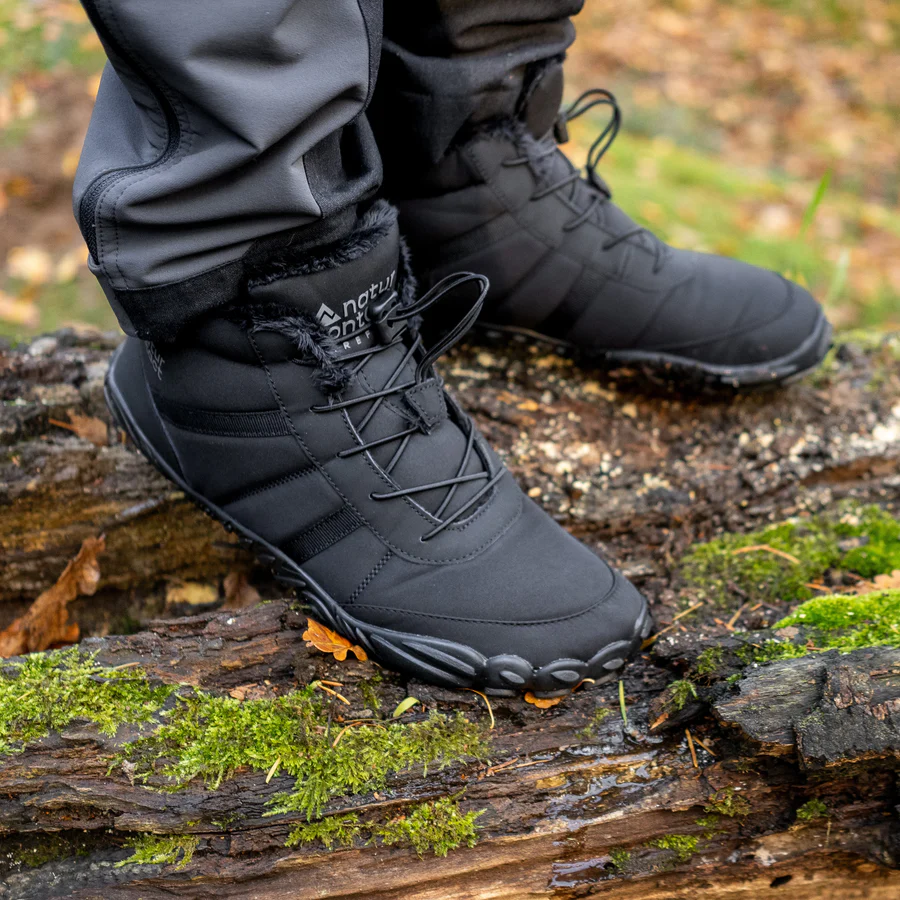
The way we perceive foot health has undergone a radical transformation over the last decade. For years, the industry standard dictated that more cushioning, stiffer arches, and elevated heels were the keys to comfort and performance. However, as we move through 2026, a growing body of biomechanical research and a shift in consumer consciousness have led many to question these traditional norms. At the center of this movement is the rising popularity of barefoot shoes for men, a category of footwear designed to respect the anatomical integrity of the human foot rather than forcing it into a pre-molded, restrictive shape. By stripping away the layers of synthetic foam and rigid supports, these shoes aim to restore the natural relationship between the body and the earth.
The three pillars of minimalist design
To understand why this shift is happening, one must first look at what makes a shoe “barefoot” or minimalist. It isn’t just about a lack of padding; it is a fundamental redesign based on three specific pillars: a wide toe box, zero-drop geometry, and sole flexibility.
In conventional footwear, the toe box often tapers to a point, squeezing the digits together. This design choice is largely aesthetic but carries significant physiological costs, such as the development of bunions or the weakening of the big toe our primary stabilizer. Minimalist shoes, by contrast, feature a foot-shaped silhouette that allows the toes to splay naturally. This splay creates a wider base of support, which immediately improves balance and power distribution during movement.
Zero-drop refers to the lack of height difference between the heel and the forefoot. Traditional sneakers often have a 10mm to 12mm drop, which tilts the pelvis forward and places undue stress on the lower back and knees. A flat, neutral platform encourages the body to stack its joints correctly, fostering a more upright and efficient posture. Finally, a thin, flexible sole ensures that the thousands of nerve endings in our feet can actually communicate with the brain, providing the sensory feedback necessary for agile movement.
Strengthening the foundation from the ground up
When you spend your entire life in “supportive” shoes, the intrinsic muscles of the feet those small, stabilizing fibers that control the arch essentially go dormant. It is a classic case of “use it or lose it.” Transitioning to a more natural footwear choice acts as a form of passive strength training. Without a foam arch to lean on, the foot is forced to support its own weight, leading to a stronger, more resilient structure.
This strengthening effect extends beyond the feet themselves. Because minimalist footwear encourages a midfoot or forefoot strike rather than a heavy heel strike, the impact forces of walking or running are absorbed by the muscles and tendons (like the Achilles and calves) rather than the skeletal joints. This shift can be a game-changer for men who have struggled with chronic knee or hip pain, as it effectively turns the lower leg into a natural shock absorber.
Beyond the gym: a lifestyle shift in 2026
There was a time when wearing minimalist footwear meant sporting “toe shoes” that looked more like scuba gear than daily apparel. Fortunately, the market has matured significantly. In 2026, the aesthetic of natural movement has become sophisticated and versatile. Men are no longer forced to choose between foot health and style; modern designs now include everything from professional leather oxfords to rugged trail boots and sleek urban sneakers.
This versatility has helped the barefoot philosophy move out of the niche “biohacker” community and into the mainstream. Whether it is a commuter navigating the city pavement or a professional spending eight hours on his feet in a creative studio, the benefits of increased proprioception the body’s ability to sense its position in space are universal. Being “grounded” isn’t just a metaphorical concept; it is a physical reality that leads to less fatigue and a more connected feeling throughout the day.
The art of a safe and successful transition
Despite the numerous benefits, jumping into a full-time barefoot lifestyle overnight is a recipe for injury. Most modern men have spent 20, 30, or 40 years in traditional shoes, and the body needs time to adapt to new mechanical loads. If you are considering making the switch, a gradual approach is mandatory.
- Start small: Begin by wearing your minimalist shoes for just 30 to 60 minutes a day around the house or during a short walk. This allows your skin to toughen and your muscles to wake up without being overwhelmed.
- Focus on mobility: Incorporate foot-specific exercises like “toe yoga” (lifting the big toe while keeping others down) or rolling your foot over a cork ball. This helps break up stagnant tissue and restores range of motion.
- Listen to the feedback: If your calves feel excessively tight or your arches ache, it is a sign to scale back. Your tendons specifically the Achilles take much longer to adapt than your muscles do. Patience is your greatest ally.
- Surface matters: In the beginning, try walking on natural surfaces like grass, sand, or forest trails. These provide a softer landing and more varied sensory input than flat, unforgiving concrete.
A return to biological intent
Ultimately, the move toward minimalist footwear is a rejection of the idea that the human body is “broken” or needs constant correction from external technology. We are the descendants of long-distance hunters and gatherers who navigated complex terrains without the aid of air-cushioned soles or carbon-fiber plates.
By choosing shoes that prioritize freedom of movement and sensory clarity, we are simply reclaiming a level of physical autonomy that was lost to industrial fashion. It is an investment in long-term mobility, a commitment to better posture, and a way to turn every step into an opportunity for strength. As we look toward the future of health and wellness, the most advanced step we can take might just be the one that brings us closest to the ground.